If you have ever spent time in Korea or watched Korean dramas, you have probably noticed how often conversation revolves around food. Asking someone “Did you eat?” (밥 먹었어요?) is practically equivalent to saying “How are you?” in Korean culture. This deep connection between daily life and food is perfectly reflected in traditional korean idioms.
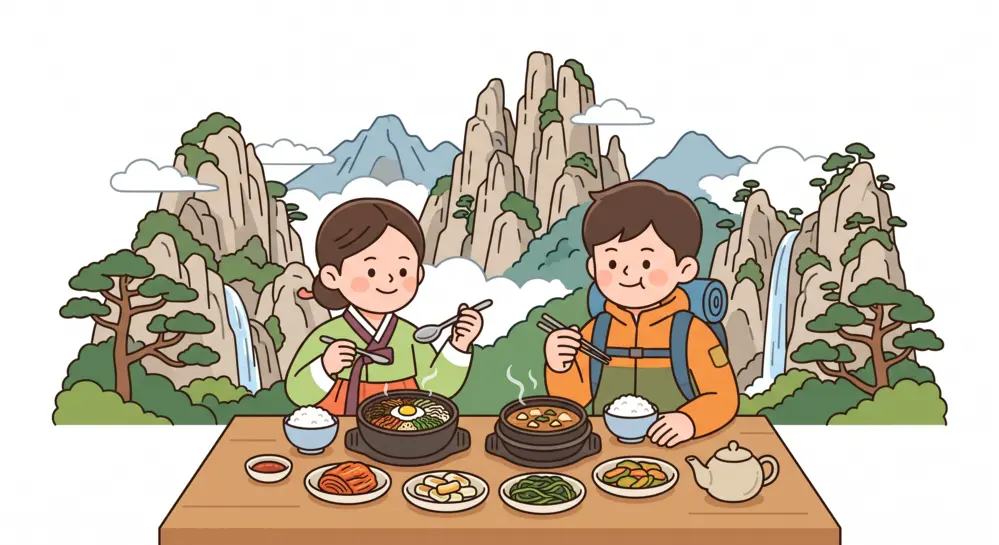
Among the hundreds of expressions passed down through generations, one phrase stands out as a universal rule for daily living: 금강산도 식후경 (Geumgangsando Sikgugyeong). Translated literally as “Even Mount Geumgang is seen after eating,” this beloved expression captures a fundamental truth about human nature and Korean priorities: no matter how breathtaking an experience might be, you cannot fully enjoy it on an empty stomach.
In this guide, as a long-time Korean educator, I will walk you through the origin, linguistic breakdown, and modern real-world applications of this essential saying so you can elevate your Korean fluency and truly understand the heart of Korean culture.
The Story Behind Korean Idioms: What Is Mt. Geumgang?
To understand why this specific phrase carries such weight among korean idioms, you first need to know about Mount Geumgang (금강산). Located on the east coast of the Korean Peninsula, Mt. Geumgang has been celebrated for centuries as Korea’s most majestic mountain. Historical poets, painters, and royalty praised its 12,000 rugged peaks, crystal-clear streams, and dramatic seasonal transformations. In Korean history, visiting Mt. Geumgang was considered a once-in-a-lifetime journey of pure awe and wonder.
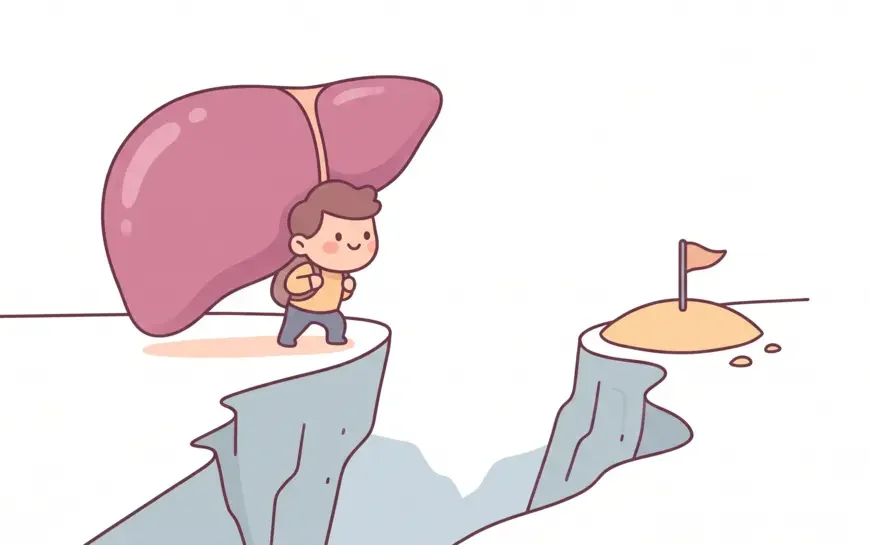
Now, imagine walking for days through treacherous terrain just to behold this natural masterpiece. No matter how magnificent the mountain peaks look, if your belly is rumbling with intense hunger, the sight loses its charm. That is precisely where the proverb was born.
The idiom breaks down into five key components:
- 금강산 (Geumgangsan): Mount Geumgang, symbolizing the pinnacle of beauty and sightseeing.
- 도 (-do): A Korean particle meaning “even” or “also.”
- 식 (Sik / 食): The Sino-Korean word for “food” or “eating.”
- 후 (Hu / 後): The Sino-Korean word for “after.”
- 경 (Gyeong / 景): The Sino-Korean word for “sightseeing” or “viewing.”
Put together, 식후경 literally means “sightseeing after eating.” Therefore, the phrase reminds us that satisfying basic physical needs takes precedence over even the grandest wonders in the world.
Cultural Nuance: Food as the Foundation in Korean Daily Life
In Western culture, you might hear similar sayings like “A hungry man is an angry man” or “A sack standing empty will not stand upright.” While these English idioms highlight the practical need for nourishment, 금강산도 식후경 holds a uniquely warm and lighthearted place in Korean cultural banter.
Koreans frequently use this phrase as a friendly justification to pause whatever they are doing—whether it is studying, traveling, working overtime, or attending an event—and go get a meal together. It serves as an affectionate reminder that taking care of one’s body and enjoying a meal with companions is never a waste of time.
In Korean society, sharing meals builds trust, camaraderie, and emotional warmth (정, Jeong). When someone uses this idiom, they are not just expressing hunger; they are inviting you to relax, recalibrate, and enjoy the moment before tackling the next big task.
How to Use This Expressive Korean Idioms Phrase in Natural Conversations
To sound like a natural speaker when applying korean idioms, context is everything. You can use 금강산도 식후경 whenever you want to suggest eating before starting an activity, or when someone is hesitating to break for food because they want to finish a task first.
Here are two realistic conversation dialogues you will encounter in Korea:
Dialogue 1: On a Road Trip / Sightseeing
- Minjun: 우리 박물관 먼저 보고 점심 먹을까요? (Should we check out the museum first and eat lunch later?)
- Sarah: 아니요, 너무 배고파요. 금강산도 식후경인데 근처에서 밥부터 먹어요! (No, I’m so hungry. Even Mt. Geumgang comes after eating, so let’s eat nearby first!)
Dialogue 2: Studying at a Cafe or Library
- Jiyoung: 이 시험 문제까지만 풀고 쉬자. (Let’s just finish solving this exam question before taking a break.)
- Alex: 금강산도 식후경이라는데, 일단 샌드위치 하나 먹고 하자! (They say even Mt. Geumgang comes after eating—let’s grab a sandwich first!)
Notice how casual and adaptable the phrase is! You can use it as a standalone sentence (“금강산도 식후경이지!”) or naturally embed it into a suggestion (“금강산도 식후경인데 ~”).
Final Thoughts: Master Korean Idioms to Speak Like a Native
Mastering traditional proverbs and korean idioms like 금강산도 식후경 is one of the most rewarding milestones in your Korean language learning journey. It lifts your communication beyond simple textbook grammar and allows you to connect with native Korean speakers on a deeper cultural level.
Next time you are out exploring Korea with friends or studying hard for an exam, do not forget to pause when your stomach starts to rumble. Smile, drop this phrase into the conversation, and enjoy a satisfying meal. After all, even the grandest adventures are better on a full stomach!
Which Korean proverb would you like us to break down next? Leave your thoughts and questions in the comments below!