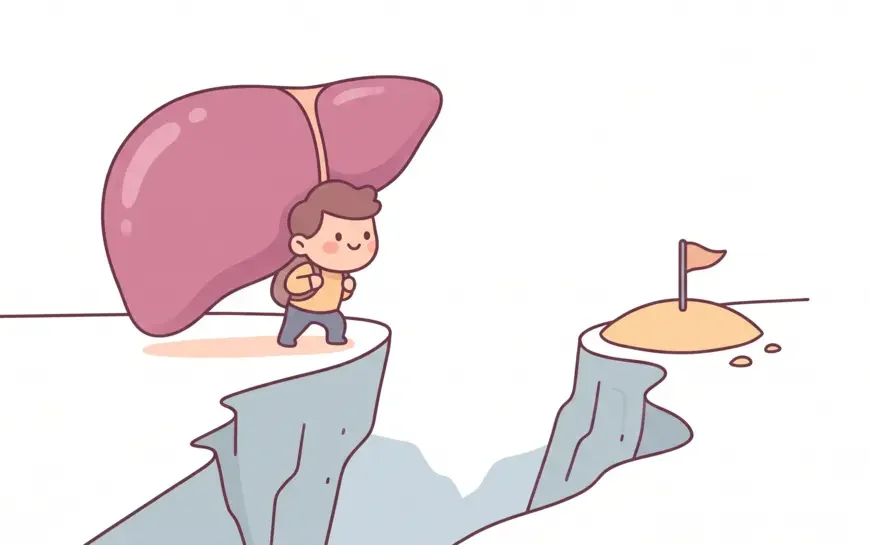
When learning Korean, you quickly realize that physical sensations are intimately tied to deep emotional expressions. While some daily phrases are ideal for expressing urgency when deadlines are pressing—such as having a “fire on your foot”—others use physical ailments to convey complex interpersonal feelings. One of the most fascinating emotional phrases you will encounter is “배가 아프다” (Literally: To have a stomachache).
If a friend tells you their stomach hurts after hearing about a colleague’s promotion, don’t rush to offer them antacids! In this comprehensive guide, we will unpack the unexpected cultural meaning behind this idiom, compare it to phrases used for expressing urgency, break down natural grammar usages, and explore real-world dialogues to help you master authentic Korean.
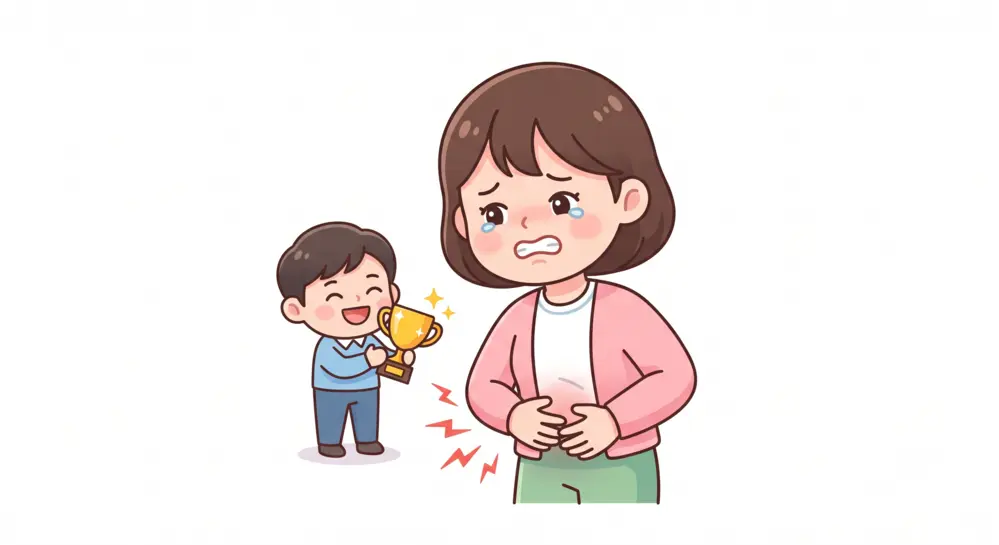
Literal vs. Figurative Meaning: Green with Envy
To understand how a physical ailment represents a social emotion, let’s look at the literal structure of “배가 아프다”:
- 배 (Bae): Stomach / Belly
- 가 (Ga): Subject marking particle
- 아프다 (A-peu-da): To be sick / to hurt
Literally, if you ate bad street food, you would say “배가 아파요” to mean you have a genuine stomachache.
Figuratively, however, “배가 아프다” is the exact Korean equivalent of being “green with envy” or jealous of someone else’s success, good fortune, or sudden gain. It describes the physical-like discomfort or bitter sensation you feel deep down inside when someone close to you achieves something great.
Expressing Urgency vs. Expressing Envy in Korean Idioms
To communicate naturally like a native speaker, it is helpful to contrast how Korean body-related metaphors separate physical reactions from distinct emotional triggers:
- Expressing Urgency (발등에 불이 떨어지다): Triggered by time limits, deadlines, and external pressure that forces immediate panic and action.
- Expressing Envy (배가 아프다): Triggered by social comparison, where someone else’s luck or achievement creates quiet resentment or jealousy.
When expressing urgency, your focus is entirely on speed, efficiency, and solving an immediate crisis. Conversely, when using “배가 아프다”, the focus shifts entirely to emotional vulnerability, human nature, and competitive envy.
How to Conjugate “배가 아프다” Naturally in Korean
Depending on whether you are describing your own feelings or talking about someone else being jealous, here is how you conjugate this idiom smoothly:
Present Polite Form: 배가 아파요 / 배 아파요
- Meaning: “My stomach hurts” (I’m so jealous!).
- Example: 친구 주식이 대박 났다고 해서 솔직히 배가 좀 아파요. (To be honest, my stomach hurts a bit because my friend hit the jackpot on their stocks.)
Third-Person Action Form: 배 아파하다 / 배가 아파서…
- Meaning: “To act jealous / To show envy towards someone.”
- Example: 남의 성공을 배 아파하지 말고 축하해 줍시다. (Let’s congratulate others on their success instead of feeling envious.)
Descriptive Modifier Form: 배 아픈 상황
- Meaning: “A situation that makes one envious.”
- Example: 사촌이 땅을 사면 배가 아픈 법이에요. (It’s human nature to feel jealous when a relative buys land.)
Real-Life Conversation Examples
Here are two authentic dialogues showing how native Korean speakers use “배가 아프다” in casual, lighthearted settings.
Dialogue 1: Between Close Friends (Envy over Good Luck)
- 유진 (Yujin): 지민아, 들었어? 태석이가 로또 2등에 당첨됐대! (Jimin, did you hear? Taeseok won second place in the lottery!)
- 지민 (Jimin): 정말? 몇 천만 원이나 받았겠네! 축하해 줘야 하는데 왜 이렇게 배가 아프지? (Really? He must have received tens of thousands of dollars! I should congratulate him, but why does my stomach hurt so much (why am I so jealous)?)
- 유진 (Yujin): 나도 그래! 오늘 저녁 맛있는 거 사라고 하자. (Me too! Let’s tell him to buy us a nice dinner tonight.)
Dialogue 2: Among Coworkers (Office Jealousy)
- 수현 (Suhyeon): 이번 분기 인센티브 수석은 옆 팀 김 대리님이 가져갔네요. (Assistant Manager Kim from the next team took the top bonus performance award this quarter.)
- 동현 (Donghyun): 열심히 했으니 인정받는 게 맞지만, 솔직히 배가 아픈 건 어쩔 수 없네요. (He worked hard so he deserves it, but honestly, I can’t help feeling a little green with envy.)
Famous Proverb: “사촌이 땅을 사면 배가 아프다”
You cannot talk about “배가 아프다” without mentioning Korea’s most famous proverb about jealousy: “사촌이 땅을 사면 배가 아프다” (Literally: If a cousin buys land, my stomach hurts).
In traditional agrarian Korean society, buying land was the ultimate symbol of wealth and prosperity. Because a cousin is a close family relative with whom you naturally compare yourself, this proverb humorously highlights a universal truth about human nature: people often feel the sharpest envy not toward distant strangers, but toward those closest to them!
Conclusion: Master Emotional Korean with All About Korea 101
Understanding idioms like “배가 아프다” gives you valuable insight into how native speakers express nuanced emotions beyond plain dictionary vocabulary. Whether you are expressing urgency when racing against time or sharing a playful laugh about feeling jealous of a friend, using body idioms will make your Korean language skills sound natural, vivid, and culturally grounded.
For more authentic Korean language guides, cultural breakdowns, and practical learning resources, bookmark allaboutkorea101.com and keep elevating your Korean every single day!
For official definitions, audio pronunciations, and detailed example sentences, check out the National Institute of Korean Language’s Learner’s Dictionary (KRDICT).