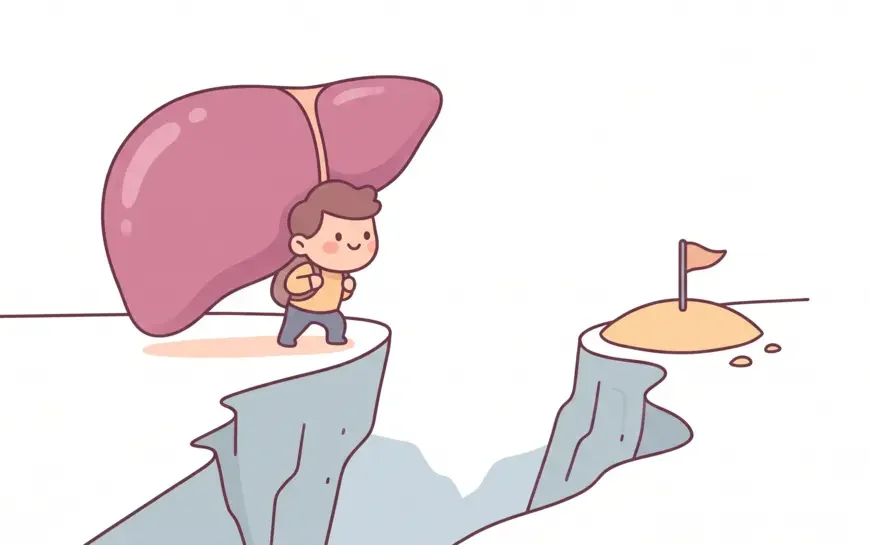
Korean is a language deeply rooted in vivid physical imagery. When navigating daily conversations, native speakers frequently rely on body metaphors to convey emotional states, cultural values, and situational pressures. While some idioms are perfect for expressing urgency when deadlines loom near, others capture the quiet, enduring weight of duty and responsibility. One of the most common and culturally significant expressions you will encounter is “어깨가 무겁다” (Literally: One’s shoulders are heavy).
In this comprehensive guide, we will unpack the meaning behind this classic phrase, explore how Korean body metaphors function, look at natural grammar conjugations, and examine real-world conversation examples so you can elevate your Korean fluency.

Literal vs. Figurative Meaning: The Weight on Your Shoulders
To understand “어깨가 무겁다”, let’s break down its individual components:
- 어깨 (Eo-kkae): Shoulder / Shoulders
- 가 (Ga): Subject marking particle
- 무겁다 (Mu-geop-da): To be heavy
Imagine standing upright while carrying a massive, heavy backpack. Your shoulders naturally tense up and feel pulled down by the weight.
Figuratively, in both Western and Korean cultures, shoulders symbolize the ability to carry physical or emotional loads. However, in Korean culture—where collectivism, family obligations, and workplace leadership hold immense value—“어깨가 무겁다” specifically describes feeling a profound sense of responsibility, pressure, or duty toward a group, project, or family.
Expressing Urgency vs. Bearing Heavy Responsibility in Korean Body Metaphors
Korean language learners often struggle to distinguish between various emotional states expressed through body idioms. To build true intuition, it helps to contrast how native speakers describe different situations:
- Expressing Urgency (발등에 불이 떨어지다): Used when time is running out and immediate, panicky action is required due to time constraints.
- Bearing Heavy Responsibility (어깨가 무겁다): Used when taking on a major leadership role, supporting a family, or spearheading a high-stakes initiative.
When expressing urgency, the primary focus is on speed, deadlines, and time sensitivity. On the other hand, when using “어깨가 무겁다”, the focus shifts to the psychological gravity, leadership expectations, and long-term duty placed upon your shoulders.
How to Conjugate “어깨가 무겁다” Naturally in Korean
In everyday communication, native speakers rarely use this phrase in its plain dictionary form. Depending on the level of formality and the sentence structure, here is how you can conjugate it smoothly:
Present Formal/Polite Form: 어깨가 무겁습니다 / 어깨가 무거워요
- Meaning: “My shoulders are heavy” (I feel a strong sense of responsibility).
- Example: 새로운 프로젝트 팀장을 맡게 되어 어깨가 무겁습니다. (Since I took on the role of new project leader, I feel a heavy responsibility on my shoulders.)
Causal Form (Reasoning): 어깨가 무거워서…
- Meaning: “Because my shoulders feel heavy…” (Since I carry such a big burden…).
- Example: 가장의 책임감 때문에 어깨가 무거워서 쉽게 쉴 수가 없어요. (Because I feel the heavy weight of being the head of the household, I can’t easily rest.)
Change of State Form: 어깨가 무거워지다
- Meaning: “Shoulders have become heavy” (The pressure has increased).
- Example: 승진을 하고 나니 어깨가 더욱 무거워졌습니다. (After getting promoted, the weight on my shoulders became even heavier.)
Real-Life Conversation Examples
Here are two authentic dialogues demonstrating how this idiom is applied in workplace and personal contexts.
Dialogue 1: In the Office (Workplace Responsibility)
- 민호 (Minho): 수진 씨, 이번 신제품 마케팅 총괄 팀장으로 선임되셨다면서요? 축하해요! (Sujin, I heard you were appointed as the lead team manager for the new product marketing? Congratulations!)
- 수진 (Sujin): 축하해 주셔서 감사해요, 민호 씨. 하지만 회사 기대가 커서 어깨가 무겁네요. (Thank you for the congratulations, Minho. But because the company’s expectations are so high, I feel a heavy weight on my shoulders.)
- 민호 (Minho): 수진 씨라면 충분히 잘 해낼 수 있을 거예요. 힘내세요! (I’m sure you will do great, Sujin. Cheer up!)
Dialogue 2: Between Friends (Personal Life & Family Duty)
- 지훈 (Jihoon): 요즘 왜 그렇게 밤늦게까지 일해? 피곤해 보여. (Why are you working so late every night these days? You look exhausted.)
- 현우 (Hyunwoo): 내년에 첫 아이가 태어나거든. 이제 한 가족의 부모가 된다고 생각하니 어깨가 무거워져서 더 열심히 하게 되네. (My first child is being born next year. Thinking about becoming a parent and leading a family makes my shoulders feel heavy, so I end up working harder.)
Other Essential Korean Body Metaphors to Know
To broaden your vocabulary and understand how Koreans use physical body parts to express abstract thoughts, keep these three essential expressions in mind:
- 발이 넓다 (Bal-i neolb-da): Literally to have wide feet -> To have a broad network of acquaintances / to be well-connected.
- 귀가 얇다 (Gwi-ga yal-bda): Literally to have thin ears -> To be easily swayed or influenced by others / gullible.
- 눈이 높다 (Nun-i nop-da): Literally to have high eyes -> To have high standards / to be picky (especially regarding dating or standards).
Conclusion: Elevate Your Korean Fluency with All About Korea 101
Mastering expressions like “어깨가 무겁다” allows you to move beyond literal translations and speak Korean with emotional depth and nuance. Whether you are expressing urgency about a tight work deadline or discussing the heavy responsibilities of leadership, using body metaphors makes your Korean sound natural, mature, and culturally aware.
For more in-depth language guides, practical grammar breakdowns, and SEO-friendly learning materials, bookmark allaboutkorea101.com and take your Korean to the next level!