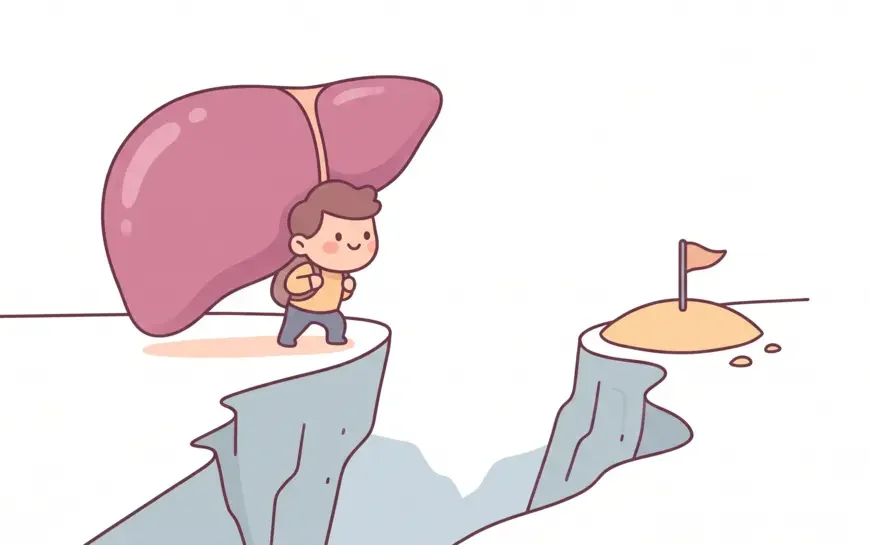
Have you ever made a silly mistake on something you thought you had completely mastered? Whether it’s flubbing a routine task at work or mispronouncing a basic word in a language you’ve studied for years, failing at something you excel in can feel deeply embarrassing.
In Korean culture, there is a comforting, timeless proverb used to remind us that nobody is perfect: “원숭이도 나무에서 떨어진다” (Even Monkeys Fall from Trees). As a veteran Korean language educator with over a decade of teaching experience, I always share this encouraging proverb with my students whenever they feel discouraged by minor slip-ups. Let’s explore its origin, exact meaning, and how to use it like a native Korean speaker.

Literal Breakdown: Why “Even Monkeys Fall from Trees”?
To understand how this phrase functions, let’s break down the Korean vocabulary piece by piece:
- 원숭이 (Won-sung-i): Monkey
- 도 (do): Even / Also
- 나무 (na-mu): Tree
- 에서 (e-seo): From / In
- 떨어진다 (tteol-eo-jin-da): Falls / Tumbles
Monkeys are legendary climbers. Trees are literally their natural domain, and their agility among branches is unmatched. Therefore, if even a creature as naturally skilled as a monkey can make a misstep and tumble from a branch, it implies that anyone—no matter how expert, experienced, or talented—can make a mistake.
Instead of criticizing or mocking someone for a blunder, Koreans use the phrase Even Monkeys Fall from Trees to offer gentle empathy, relieve embarrassment, and restore confidence.
Practical Dialogue: Using “Even Monkeys Fall from Trees” in Real Life
To help you sound like a native speaker, here are two realistic conversational scenarios where you can naturally apply this proverb.
Scenario 1: Reassuring a Colleague at Work
- Person A: “Oh no, I made a typo on the main slide for today’s client presentation. I’ve been doing this job for five years!”
- Person B: “Don’t beat yourself up! Even monkeys fall from trees. Everyone knows how capable you are.”
Scenario 2: Encouraging a Korean Language Student
- Person A: “I studied Korean honorifics for months, but I accidentally used informal speech to my professor today!”
- Person B: “It happens to the best of us! Even monkeys fall from trees. Don’t be discouraged, you’ll get it right next time.”
Notice how effortlessly this phrase lightens the mood and shifts the focus from failure to human empathy.
Why “Even Monkeys Fall from Trees” is the Ultimate Mindset for Language Learners
Over my 10 years of guiding international students through the complexities of Korean, perfectionism has consistently proven to be the single biggest obstacle to fluency. Many learners freeze up because they fear making basic grammatical errors in front of native speakers.
Embracing the truth behind Even Monkeys Fall from Trees provides a crucial psychological breakthrough:
- Permission to Be Human: Mistakes are not proof of failure; they are undeniable evidence of active effort.
- Relief from Pressure: Knowing that even native experts stumble lowers anxiety, making room for genuine conversational practice.
- Building Resilience: When you stop treating slip-ups as disasters, you develop the resilience required to reach true mastery.
Similar Expressions: Is “Even Monkeys Fall from Trees” Like “Nobody’s Perfect”?
English speakers often ask me: “Is Even Monkeys Fall from Trees just the Korean equivalent of ‘Nobody’s perfect’ or ‘To err is human’?”
While the underlying message is similar, the Korean proverb carries a much more vivid imagery and emotional warmth. Phrases like “Nobody’s perfect” state a general fact, whereas Even Monkeys Fall from Trees paints a clear picture. It specifically targets someone who is an undisputed master at a skill—just as a monkey is a master of tree-climbing—and normalizes their momentary slip-up.
In Western literature, the closest classical match might be “Even Homer nods,” which references the idea that even the greatest poet can occasionally drop his guard. However, in modern everyday Korean, Even Monkeys Fall from Trees is far more relatable and universally understood across all generations.
Final Thoughts: Embrace Your Journey
The next time you fumble over a sentence in Korean or make a small error in your professional life, take a deep breath and repeat to yourself: 원숭이도 나무에서 떨어진다 (Even Monkeys Fall from Trees).
Perfection is an illusion, but growth is real. Forgive your minor stumbles, celebrate your progress, and keep climbing higher!