If you are learning a new language, mastering grammar is only half the battle. The real magic happens when you learn how to connect with people on an emotional level. In my 10 years of teaching Korean to students from all over the world, one question always comes up when we discuss relationships: “Teacher, how do I comfort a Korean friend who is having a tough, exhausting day?”
Today, we are going to look at the ultimate phrase for showing comfort, understanding the goseang-haesseo meaning, and mastering how to express empathy in Korean like a native speaker.
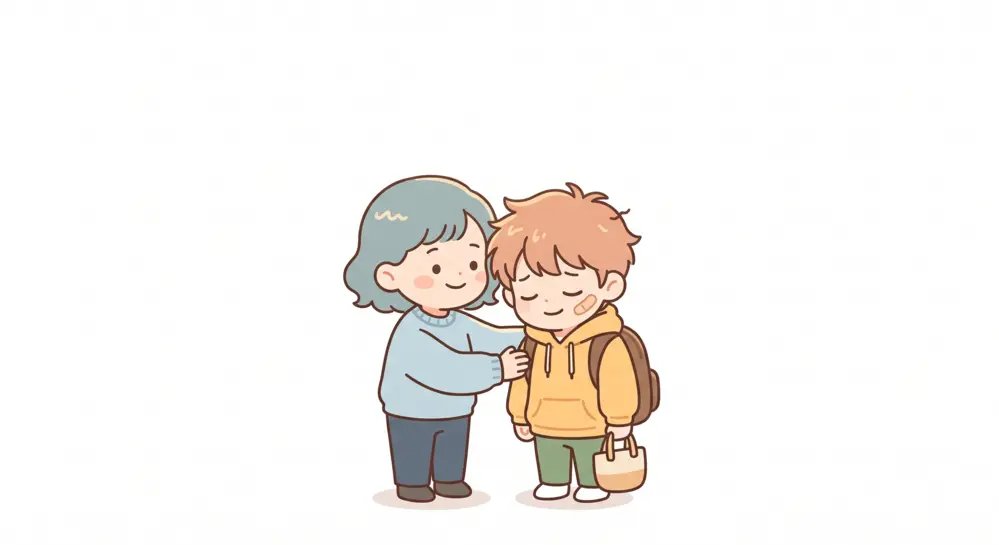
Understanding the True “Goseang-haesseo” Meaning
To understand how to express empathy in Korean, you must first grasp the cultural concept of goseang (고생).
- Literal Meaning: “Hardship,” “toil,” or “suffering.”
- “Goseang-haesseo” (고생했어) Literally Means: “You underwent hardship” or “You suffered.”
If you translate this phrase literally into English, it might sound a bit dramatic. You wouldn’t tell a coworker who just finished a normal presentation, “You suffered!” But in Korean culture, acknowledging someone’s physical or mental effort—no matter how small—is the highest form of respect and emotional validation.
When you say “goseang-haesseo” to someone, you are essentially saying, “I see how hard you worked, I recognize your struggle, and I am grateful for your effort.” This is why understanding this word is the most powerful tool when learning how to express empathy in Korean.
How to Express Empathy in Korean Using Different Speech Levels
Korean honorifics can be a minefield for language learners. When learning how to express empathy in Korean, choosing the wrong speech level can accidentally turn a warm, comforting remark into an awkward or even rude comment.
The phrase changes dynamically depending on who you are talking to. Here is how you should adjust your speech:
- 고생했어 (Goseang-haesseo) – Informal (Banmal)
- Use for: Close friends, younger people, classmates of the same age.
- Example: After a close friend finishes a stressful exam or a long shift at work, you can pat them on the shoulder and say, “Goseang-haesseo!”
- 고생하셨어요 (Gosaenghasyeosseoyo) – Polite (Jondaetmal)
- Use for: Coworkers, older acquaintances, or people you aren’t extremely close to.
- Example: When your colleague finishes a major presentation, you can warmly say, “Gosaenghasyeosseoyo.”
- 고생 많으셨습니다 (Goseang maneusyeosseumnida) – Formal & Highly Respectful
- Use for: Bosses, senior managers, elderly people, or in formal business settings.
- Example: Saying goodbye to your department head after a long, exhausting corporate event.
Quick Reference Guide: Choosing the Right Empathy Level
To help you easily visualize how to express empathy in Korean without making a social slip-up, I have put together this simple reference table based on my 10 years of classroom experience:
| Recipient (듣는 사람) | Recommended Phrase (추천 표현) | Tone & Nuance (어조 및 뉘앙스) |
| Best Friend, Younger Sibling | 고생했어 (Goseang-haesseo) | Warm, intimate, friendly comfort |
| Coworker, Same-age Peer | 고생하셨어요 (Gosaenghasyeosseoyo) | Polite, respectful acknowledgment of effort |
| Boss, Client, Professor | 고생 많으셨습니다 (Goseang maneusyeosseumnida) | Formal, highly professional, deeply respectful |
Using the correct row from this table ensures that your warmth and empathy are received with the exact level of respect you intended.
“Goseang-haesseo” vs. “Sugo-haesseo”: Avoid This Common Mistake
As you practice how to express empathy in Korean, you will inevitably run into another very common phrase: sugo-haesseo (수고했어). Many textbooks treat these two phrases as identical synonyms, but as a veteran teacher, I must warn you—they have very different social boundaries.
- 수고했어 (Sugo-haesseo): This literally means “You did a good job of working.” However, it carries a subtle nuance of a superior praising a subordinate. Because of this, you should never say “Sugo-hasyeosseoyo” to a boss, teacher, or older person. It can sound patronizing, as if you are evaluating their performance.
- 고생했어 (Goseang-haesseo): This focuses purely on the shared human experience of effort and hardship. It is much safer, warmer, and more natural because it focuses on empathy rather than evaluation.
If you are ever in doubt about how to express empathy in Korean to a superior, always choose 고생하셨습니다 (Goseang hasyeosseumnida) over anything with sugo.
Other Powerful Ways to Show Comfort in Korean
While knowing the goseang-haesseo meaning is essential, expanding your vocabulary will make your empathy sound even more natural and heartfelt. Here are three additional ways to comfort someone in Korean:
- 토닥토닥 (Todak-todak): This is the Korean onomatopoeia for “pat-pat.” You can send this in a text message to a friend who is crying or stressed to virtually pat them on the back.
- 힘내 (Him-nae): Meaning “cheer up” or “have strength.” It is a wonderful, active way to show support.
- 애썼어 (Aes-seosseo): This means “You made a great effort.” It is incredibly warm and carries a deep sense of personal appreciation for someone’s struggle.
Wrap-Up: Empathy is the True Key to Fluency
At the end of the day, language is a bridge to people’s hearts. Knowing how to express empathy in Korean with phrases like goseang-haesseo shows native speakers that you don’t just study grammar from a book—you actually care about their feelings and respect their culture.
The next time your Korean friend, classmate, or colleague finishes a long day, don’t just say “Goodbye.” Look them in the eyes, smile warmly, and say, “Gosaenghasyeosseoyo.” You will instantly see their face light up with gratitude!
What is your favorite Korean expression of comfort? Have you ever heard “goseang-haesseo” in a K-drama? Let me know in the comments below!