In my 10 years of teaching Korean to amazing students from all over the world, I’ve noticed one common goal: everyone wants to sound less like a textbook and more like a real local. If that’s what you’re aiming for, you’re in the right place!
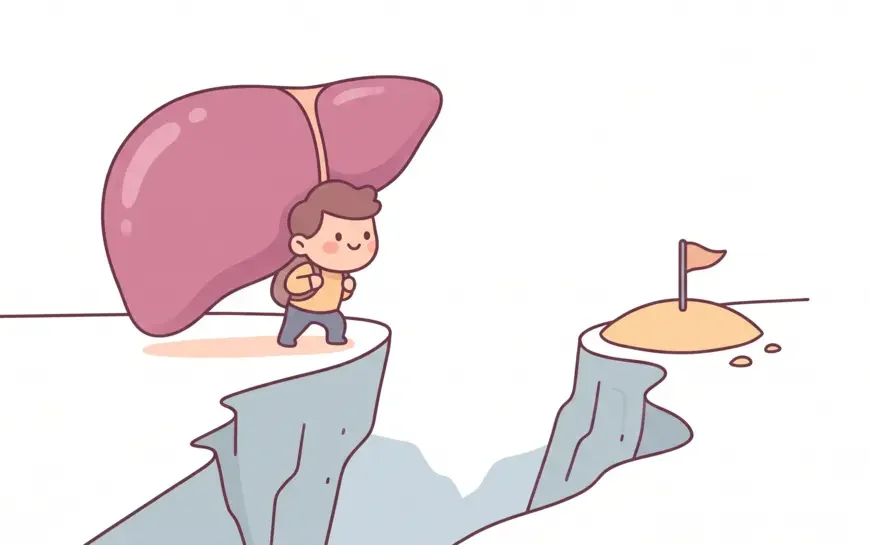
Today, I want to share one of my absolute favorite expressions. You know that wonderful feeling when you find a single, clever solution that solves two tricky problems at once? In English, you’d probably smile and say you “killed two birds with one stone.”
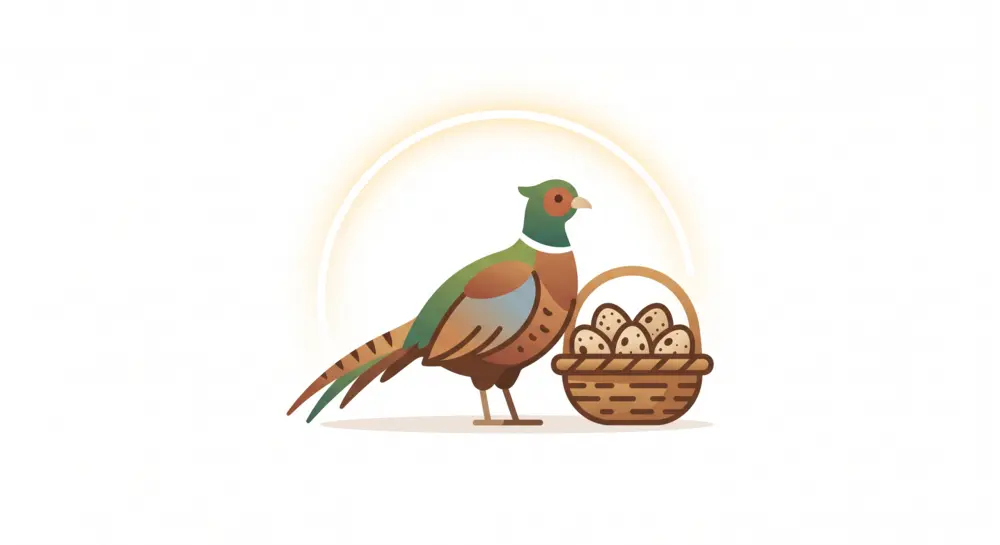
But in Korea, we have a much more appetizing way to celebrate a double win. Instead of tossing rocks at wildlife, we talk about eating a pheasant and its egg.
The actual proverb is “꿩 먹고 알 먹기” (Kkwong meok-go al meok-gi). Trust me, once you drop this phrase into a conversation, your Korean friends are going to look at you with pure respect. Let’s break it down together, chat about the funny history behind it, and see how you can start using it today!
Let’s Break It Down: What Does Eating a Pheasant and Its Egg Actually Mean?
Whenever I teach this in class, I like to write the raw words on the board first. Don’t worry, it’s incredibly simple:
| Korean Word | English Meaning |
| 꿩 | Pheasant (A wild bird) |
| 먹고 | Eating (and) |
| 알 | Egg |
| 먹기 | Eating |
When you string them together, you get the literal image of eating a pheasant and its egg.
Think about it: you head out into the forest hoping to find just one wild bird for dinner, but you stumble upon the jackpot—a premium pheasant and a whole nest of fresh, nutritious eggs. You got two massive rewards from just one single action, without any extra struggle. That is the exact vibe of this idiom.
A Quick Story: Why Eating a Pheasant and Its Egg Became the Ultimate Win-Win
To understand why this expression is so deeply rooted in Korean culture, let me tell you a quick story from Korea’s old countryside days.
Back then, pheasants were highly prized because they were fast, smart, and notoriously difficult to hunt. However, they had one specific habit: unlike other birds that build nests safely up in the trees, pheasants lay their eggs directly on the ground, tucked away in the tall grass.
During the dry spring seasons, accidental brushfires would often sweep through the fields. While most wild animals would naturally run away to save themselves, a mother pheasant would refuse to leave her unhatched eggs. She would fiercely hunker down, shielding her nest and hoping the fire would pass over them.
Tragically for the bird, this made them incredibly easy for village farmers to find once the smoke cleared. The farmers didn’t need bows, arrows, or traps. They could just walk out and comfortably take the pheasant and the entire nest of eggs at the exact same time. And that is how eating a pheasant and its egg became our go-to phrase for an effortless, perfect double victory.
How to Use This Phrase with Your Korean Friends
The best part about this idiom is that you can use it in so many everyday modern situations. Here are a few examples I always love sharing with my students:
- The K-Drama Hack: Let’s say you decide to watch your favorite K-drama without any English subtitles. You’re relaxing after a long day of work, but you’re also actively practicing your Korean listening skills. That is pure eating a pheasant and its egg!
- The Smart Commute: You decide to walk to your favorite coffee shop instead of taking the bus. You save money on the fare, and you get your daily cardio done at the same time.
- The Cafe Jackpot: You find a cozy cafe that serves the best espresso in town, and it happens to have free, blazing-fast Wi-Fi. You get your caffeine fix and crush your homework simultaneously.
Whenever you hit a lovely win-win scenario like this, just give a little nod and say: “이거야말로 꿩 먹고 알 먹기네!” (This is truly eating a pheasant and its egg!)
A Fun Cultural Chat: Shifting the Mindset
I always find it fascinating to compare how different cultures look at life.
Think about the English phrase: “killing two birds with one stone.” It’s very action-oriented, focused on the hunting tool and the sharp-shooting skill of the hunter.
The Korean phrase, however, completely focuses on the feast and the practicality. Old Korean proverbs lean heavily toward food, sharing, and comfort. Why stop at just hitting a target with a rock when you can focus on the amazing, nurturing meal you get to enjoy afterward? Focusing on eating a pheasant and its egg beautifully highlights the cultural love for abundance and smart, practical payoffs.
Bonus: Two More Phrases to Make You Sound Like a Pro
Since you’re doing so well, let me give you two bonus proverbs that carry the exact same “double win” energy. Try these out next time:
- 도랑 치고 가재 잡기: “Cleaning out a ditch and catching crayfish.” You’re doing a standard chore like clearing mud from a stream, and you happen to catch a delicious seafood snack along the way.
- 마당 쓸고 돈 줍기: “Sweeping the yard and finding money.” You’re just doing your daily house chores on the porch, but you find some cash dropped on the ground.
Keep Grinding, and Celebrate Those Wins!
Learning a new language is a journey, and I am always so proud of my students who take the time to appreciate these beautiful idioms. When you learn a phrase like “꿩 먹고 알 먹기”, you aren’t just memorizing vocabulary words—you are truly connecting with the warmth, humor, and mindset of the Korean people.
Next time you find a clever shortcut in your daily routine, celebrate it like a true Korean.
I’d love to hear from you: What is your favorite win-win habit? Have you found a clever way to study Korean while doing something else you love? Let me know in the comments below, and let’s keep learning together!